Introduction: A Turning Point in the Conflict |
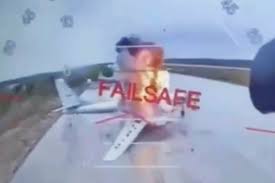
| On June 1, 2025, Ukraine executed a daring drone strike, dubbed “Operation Spider’s Web,” targeting five Russian military airbases deep within enemy territory. This unprecedented attack resulted in the destruction or damage of over 40 Russian strategic bombers, including Tu-95, Tu-22M3, and Tu-160 aircraft. The operation has been hailed as a significant shift in modern warfare, demonstrating the effectiveness of unmanned aerial vehicles (UAVs) in strategic military operations. |
| Background: The Strategic Importance of Russian Bombers |
|
Ro le of Tu-95, Tu-22M3, and Tu-160 in Russian Military Doctrine |
| Russian long-range bombers play a pivotal role in the nation’s military strategy, serving as primary platforms for nuclear and conventional strikes. The Tu-95, Tu-22M3, and Tu-160 bombers are integral to Russia’s deterrence capabilities, capable of delivering payloads across vast distances. |
| Vulnerabilities of Long-Range Strategic Bombers |
| Despite their formidable capabilities, these bombers are not impervious to modern warfare tactics. Their reliance on airbases for maintenance and deployment makes them susceptible to targeted strikes, especially when operating in contested or hostile environments. |
| Operation Spider’s Web: Ukraine’s Bold Strike
|
| Planning and Execution of the Drone Attack |
| The operation was meticulously planned by Ukraine’s Security Service (SBU), utilizing domestically produced FPV (First-Person View) drones. These drones were covertly transported into Russia and launched from concealed locations, striking airbases such as Belaya, Dyagilevo, Ivanovo Severny, Olenya, and Ukrainka. |
| Impact on Russian Airbases and Aircraft |
| The drone strikes led to significant damage to Russian aircraft stationed at these airbases. Satellite imagery confirmed the destruction of multiple Tu-95 and Tu-22M3 bombers, crippling a substantial portion of Russia’s long-range aviation fleet. |
| Immediate Military Consequences |
| Disruption of Russian Strategic Capabilities |
| The loss of over 40 strategic bombers represents a severe blow to Russia’s military capabilities. These bombers are central to Russia’s nuclear deterrence strategy, and their incapacitation undermines the nation’s ability to project power and respond to threats effectively. |
| Short-Term Tactical Shifts on the Frontlines |
| In the immediate aftermath, Russia may face challenges in maintaining air superiority and executing long-range strikes. This disruption could lead to shifts in tactical operations on the frontlines, potentially altering the course of engagements in contested regions. |
| Long-Term Strategic Implications |
| Shifts in Global Military Doctrine |
| Ukraine’s successful use of drones to incapacitate strategic bombers marks a paradigm shift in military doctrine. It underscores the growing importance of UAVs in modern warfare, prompting nations worldwide to reassess their defense strategies and invest in drone technologies. |
| Impact on Nuclear Deterrence and Arms Control |
| The attack raises questions about the vulnerability of nuclear-capable platforms and the stability of arms control agreements. It may prompt discussions on updating treaties to address the evolving landscape of warfare and deterrence. |
| Geopolitical Repercussions |
| Reactions from NATO and Western Allies |
| NATO and Western allies have expressed support for Ukraine’s right to self-defense while urging caution to prevent further escalation. The attack has intensified discussions on the West’s role in supporting Ukraine and the broader implications for regional security. |
| Potential for Escalation or Diplomatic Negotiations |
| While the strike has escalated tensions, it also opens avenues for diplomatic negotiations. The international community may push for renewed peace talks, aiming to de-escalate the conflict and address underlying issues contributing to the war. |
| Conclusion: A New Era in Warfare |
| Ukraine’s Operation Spider’s Web signifies a transformative moment in modern warfare. The effective use of drones to incapacitate strategic bombers challenges traditional military paradigms and sets a precedent for future conflicts. As nations adapt to this new reality, the nature of warfare continues to evolve, emphasizing the need for innovation and adaptability in defense strategies. |
| FAQs |
| 1. What is Operation Spider’s Web? |
| Operation Spider’s Web is a Ukrainian drone strike that targeted five Russian military airbases, resulting in the destruction or damage of over 40 strategic bombers. |
| 2. How did Ukraine execute the drone strikes? |
| Ukraine utilized domestically produced FPV drones, which were covertly transported into Russia and launched from concealed locations to strike the airbases. |
| 3. What types of aircraft were targeted in the attack? |
| The attack targeted Russian long-range bombers, including Tu-95, Tu-22M3, and Tu-160 aircraft. |
| 4. What impact did the strikes have on Russia’s military capabilities? |
| The strikes led to significant damage to Russia’s strategic bombers, undermining its long-range aviation capabilities and nuclear deterrence strategy. |
| 5. How has the international community responded to the attack? |
| NATO and Western allies have expressed support for Ukraine’s right to self-defense while urging caution to prevent further escalation. The attack has intensified discussions on the West’s role in supporting Ukraine and the broader implications for regional security. |